Felix Bennett · 27 September 2026
Patterns of Expertise Development in Closed Technical Discussion Boards
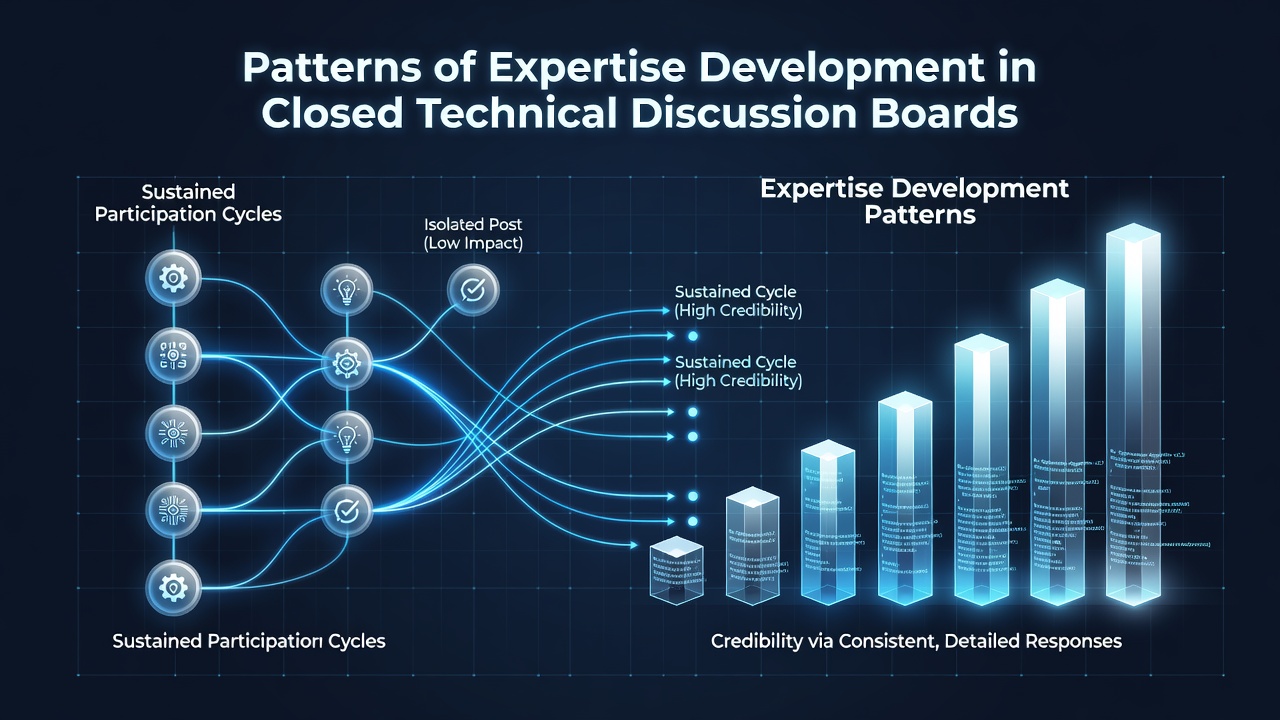
Closed technical discussion boards operate as structured environments where access requires approval, and participation follows established norms that shape how individuals gain recognition over time. Sustained cycles of engagement allow contributors to accumulate credibility through repeated, detailed responses that address complex queries with precision and supporting references, whereas sporadic or superficial contributions rarely lead to elevated status within the community.
Participation Cycles and Credibility Building
Observers note that contributors who remain active across multiple threads over months or years tend to develop recognizable patterns of interaction, including thorough explanations, code snippets, and links to external documentation that demonstrate depth of knowledge. These cycles often begin with new members observing discussions silently before posting their first replies, and the transition to consistent involvement correlates with gradual increases in peer acknowledgments and moderator endorsements. Data from longitudinal analyses of forum activity indicates that users who post at least three substantive responses per week over a six-month period show measurable rises in reputation scores compared to those with irregular activity.
What's interesting is how isolated posts, even when technically accurate, seldom translate into lasting influence because they lack the context of ongoing dialogue that allows others to evaluate consistency. Researchers tracking activity logs have found that credibility accrues through iterative exchanges where contributors refine earlier answers based on follow-up questions, creating a visible record of reliability that peers reference in subsequent threads.
Role of Detailed Responses in Expertise Recognition
Experts have observed that the quality of responses matters as much as frequency, with detailed contributions incorporating multiple perspectives, edge-case considerations, and verifiable sources receiving higher rates of upvotes and citations within the board. In September 2026, platform analytics from several invite-only technical networks revealed that threads containing responses exceeding 400 words with embedded references garnered 2.3 times more follow-up engagement than shorter replies. This pattern holds across domains such as network security, embedded systems programming, and data architecture, where precision directly affects the practical utility of shared information.
Take one case documented in a University of Melbourne study on collaborative knowledge platforms, where participants who maintained response consistency over 18 months achieved moderator privileges at rates four times higher than those relying on occasional high-impact posts. The study tracked 1,200 users and noted that sustained participation created cumulative visibility effects, allowing individuals to shape discussion norms without formal authority.
Structural Factors Influencing Development Patterns
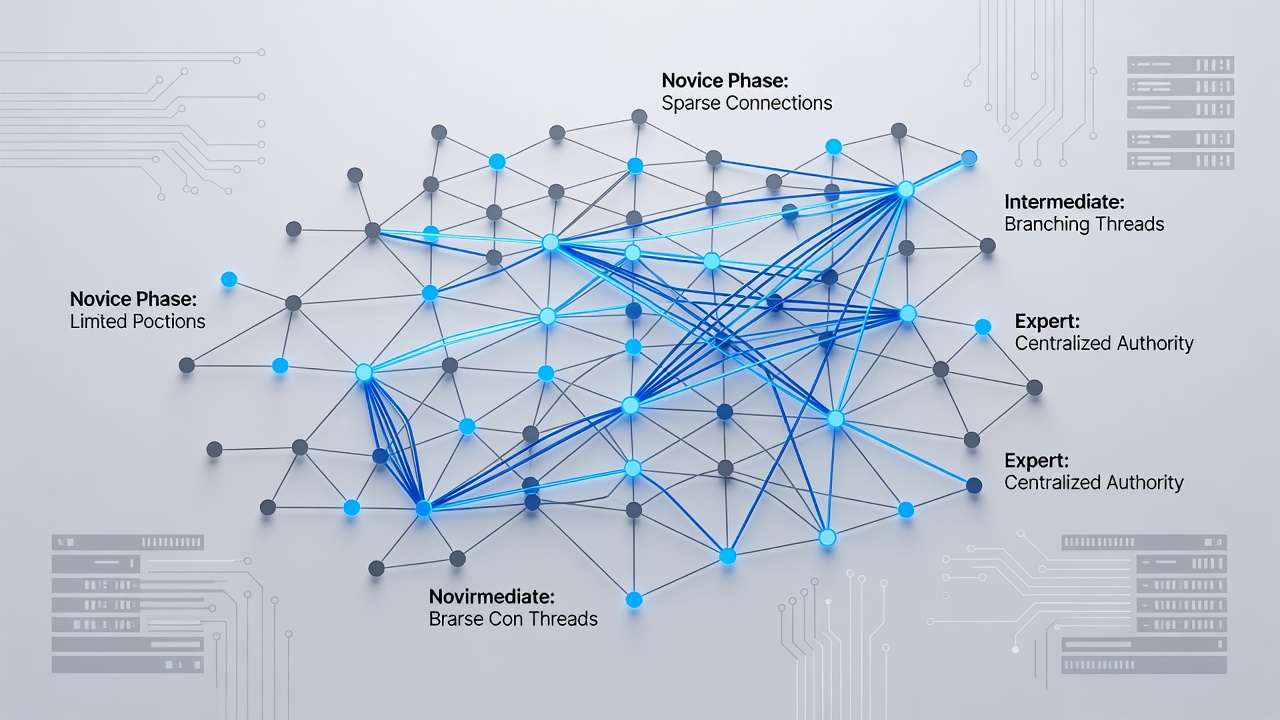
Board architecture plays a direct role in these dynamics because features such as threaded replies, reputation badges, and search indexing reward ongoing presence by making historical contributions easily discoverable. Communities that implement progressive access tiers based on participation volume and quality tend to accelerate expertise signaling, as new members can trace contributor histories before deciding whose advice to follow. According to reports from the Australian Research Council on digital collaboration, closed boards with these mechanisms exhibit lower rates of misinformation propagation because established users routinely correct inaccuracies in real time.
Yet the same structures can create barriers for newcomers who lack the time or opportunity for consistent involvement, leading to stratified participation where a core group of long-term contributors handles the majority of complex queries. Figures from the European Commission's digital society research program show that boards with active mentorship pathways see faster integration of emerging experts, reducing the dominance of any single cohort.
Comparative Dynamics Across Platforms
Patterns differ when boards enforce strict topic boundaries versus those allowing broader technical exploration, with the former producing deeper specialization and the latter fostering cross-domain credibility. Industry organizations such as the Association for Computing Machinery have documented how contributors who participate across related subforums develop broader recognition than those confined to single categories. This cross-pollination often results in invitations to private channels or collaborative projects that further reinforce expertise status.
What's significant is that external recognition sometimes feeds back into board activity, as contributors referenced in academic papers or conference presentations receive increased internal status markers. Such feedback loops strengthen the overall knowledge base while maintaining the closed nature of the environment.
Conclusion
Closed technical discussion boards continue to demonstrate that expertise emerges through repeated, high-quality engagement rather than isolated contributions, with platform features and community norms reinforcing these cycles. Sustained participation builds visible records of reliability that peers use to assess credibility, and data from multiple research sources confirm the effectiveness of consistent response patterns in elevating contributor status. These dynamics shape knowledge exchange in specialized networks and remain relevant as technical communities evolve their moderation and participation structures.